The Best Healthy Snacks for Office Workers (That Actually Keep You Full)
A practical guide to choosing healthy office snacks that sustain energy, support focus, and prevent the 3pm energy crash — without vending machine guilt.
The office snack problem is real. By mid-afternoon, blood sugar has dropped, concentration is faltering, and the nearest vending machine is calling. The options it offers — processed biscuits, chips, or candy — provide a short spike of energy followed by an inevitable crash.
The good news: the solution is simple once you understand what your body is actually looking for.
Why you get hungry at 3pm
The mid-afternoon slump is largely a blood-sugar regulation issue. If you had a refined-carbohydrate lunch (white rice, maida-based bread, or anything heavily processed), your blood sugar spiked quickly and has since dropped — triggering hunger signals and cognitive fog.
The best office snacks address this by:
- Providing protein — slows gastric emptying and stabilises blood sugar
- Including fiber — further slows glucose absorption
- Avoiding refined sugars — prevents the spike-crash cycle
- Being genuinely satisfying — not just low-calorie
The best healthy office snacks
1. Protein bars (real ones)
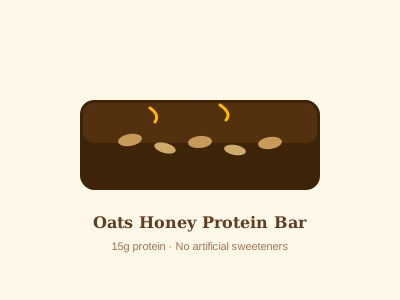
A well-formulated protein bar — made from whey or nut butter, oats, and natural sweeteners — provides 10–15g of protein per serving and keeps hunger at bay for 2–3 hours.
What to look for: protein content above 10g per serving, no maltitol or artificial sweeteners, recognisable ingredients, short ingredients list.
What to avoid: bars with 30+ ingredients, "protein" bars with less than 8g protein that are mostly sugar, anything with maltitol (causes digestive issues in many people).
2. Millet-based snack bars (chikki)
Traditional Indian chikki, modernised with ancient grains like jowar, bajra, or ragi, is an excellent desk snack. The combination of whole-grain puffed grains, roasted nuts, and pure jaggery provides:
- Protein from nuts (peanuts: 26g protein/100g)
- Slow-release carbohydrates from whole grains
- Iron and minerals from jaggery
- Sustained energy for 2–3 hours
3. Mixed nuts and seeds
The simplest answer is often the best. A small handful (30g) of mixed nuts — almonds, cashews, walnuts — provides healthy fats, protein, and fiber that reliably suppress appetite.
Walnuts in particular are rich in ALA omega-3 fatty acids, which support cognitive function — relevant for the afternoon's work ahead.
4. Granola (portioned)
Whole-grain granola with oats, seeds, and natural sweeteners works well as an office snack when portioned appropriately. 50g in a small container provides fiber, protein (especially if it contains quinoa or hemp seeds), and enough carbohydrates for mental energy.
Pair with a small amount of Greek yoghurt if you have access to a refrigerator.
5. Energy bites
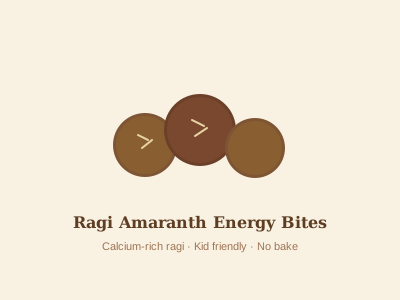
No-bake energy bites made with ragi, dates, and nuts are incredibly portable and offer one of the best nutrient densities of any packaged snack. Ragi's calcium content and dates' natural fiber make them particularly effective at providing energy without spiking blood sugar.
What to avoid at the office
- Cream biscuits and glucose biscuits: Primarily refined flour and sugar, with minimal protein or fiber. They will make you hungrier an hour later.
- Chips and namkeen: High in sodium, refined oils, and artificial flavours. Satisfy momentarily but don't address genuine hunger.
- "Diet" or "lite" products: Often replace fat (which contributes to satiety) with extra sugar or artificial sweeteners.
- Fruit juices: Even natural fruit juice is essentially sugar water — the fiber from whole fruit that slows glucose absorption is gone.
How to set up a healthy office snack routine
At the start of the week: Pack 5 days of snacks in a box or bag so you are never caught without options.
Portion in advance: Measure out nuts, granola, or energy bites into small containers or zip-lock bags. Pre-portioning prevents mindless eating.
Keep it accessible: If you have to get up and walk to find a healthy snack, you are more likely to give up and reach for the nearest option.
Stay hydrated: Dehydration mimics hunger signals. Drink a glass of water before reaching for a snack.
The timing question
The best time for an office snack is when you are slightly hungry — not ravenous. Eating before hunger becomes intense prevents poor food choices and overeating at the next meal.
For most people, a mid-morning snack (10–11am) and a mid-afternoon snack (3–4pm) works well, with three hours of gap before and after meals.
Alprra makes office-friendly healthy snacks that are non-messy, shelf-stable, and genuinely filling. Browse our energy bars and cookies — made with clean ingredients and delivered fresh.